
October finally saw me going over to the Middle East to work with UNICEF to develop an analysis of how best to improve Water, Sanitation and Hygiene programming with the IDPs and refugees affected by the emergencies in Iraq and Syria.

A Syrian Child born as a refugee, who knows when she’ll return to what kind of home.
Having the ability to undertake these sorts of consultancies is something of a god send, especially over the winter months when both Farm and Dar Finn are less busy. It’s always interesting, challenging and rewarding, the only real fly in the ointment being time away from Finn.
Tbh, I knew little about the Middle East, even though I have been following the Arab Spring and ensuing crises on the news. To help myself I’ve read a couple of excellent books, firstly Paul Danahar’s “The New Middle East” and then Patrick Cockburns’ The Rise of the Islamic State, both of which I completely recommend.
To anyone interested, but without time to read either of these books, here’s an interview by Paul Danahar that covers many of the areas in his book.
And here’s Patrick Cockburn interviewed on BBC Radio 4
http://www.bbc.co.uk/programmes/b050zkrq
Interesting.
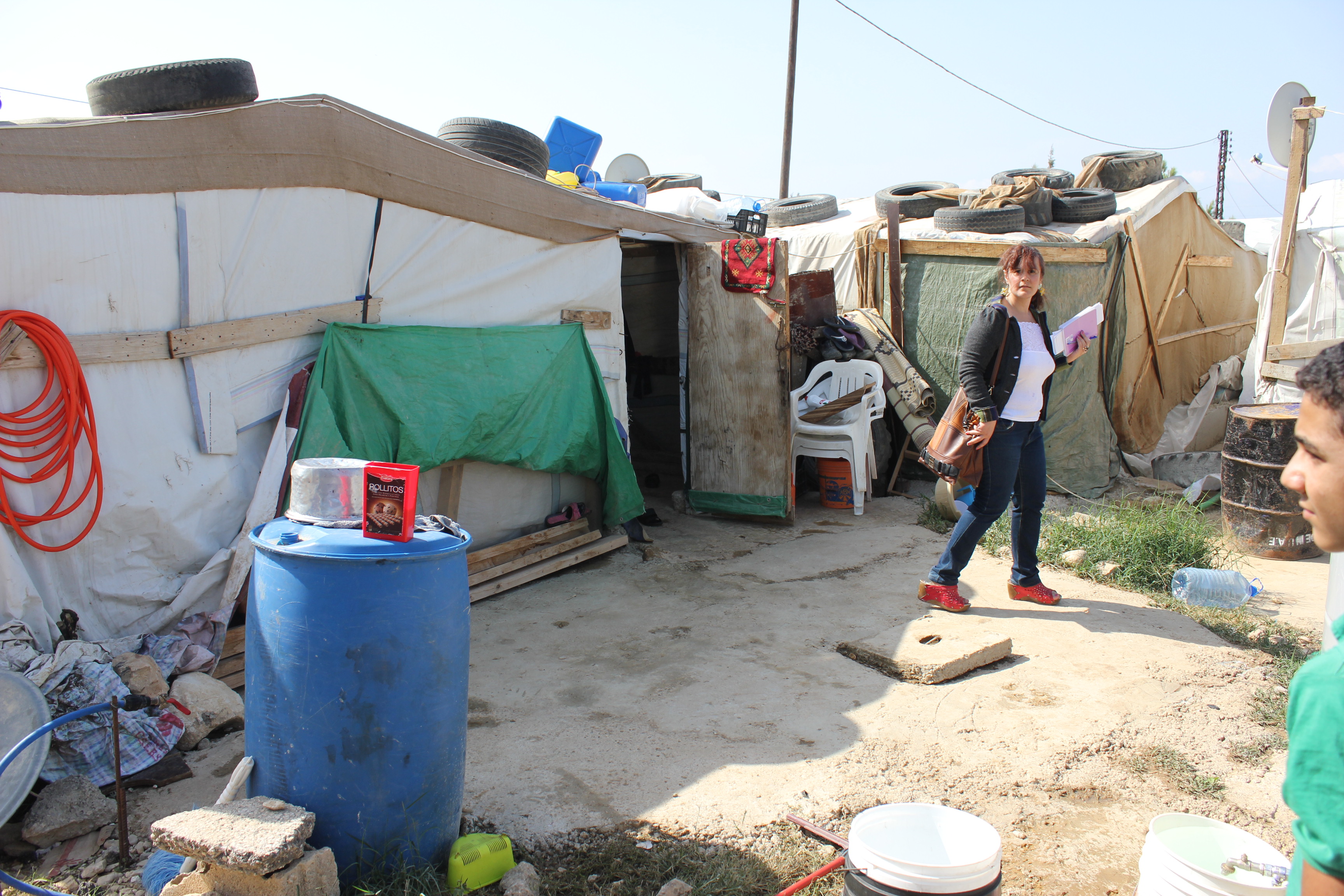
Scene from a refugee camp in Lebanon.
The idea with UNICEF is to increase understanding of ways of improving programming and facilitating greater ownership of services in non/camps settings by the refugees themselves. This meant visiting camps and ITS locations in Lebanon, Jordon and Iraq, meeting with “beneficiaries” and implementing agencies and assessing feasible ways forward to develop appropriate strategies, resources and tools to support a different, more participatory approach to WaSH programming generally, but to beneficiary/implementing agency relationships more specifically.
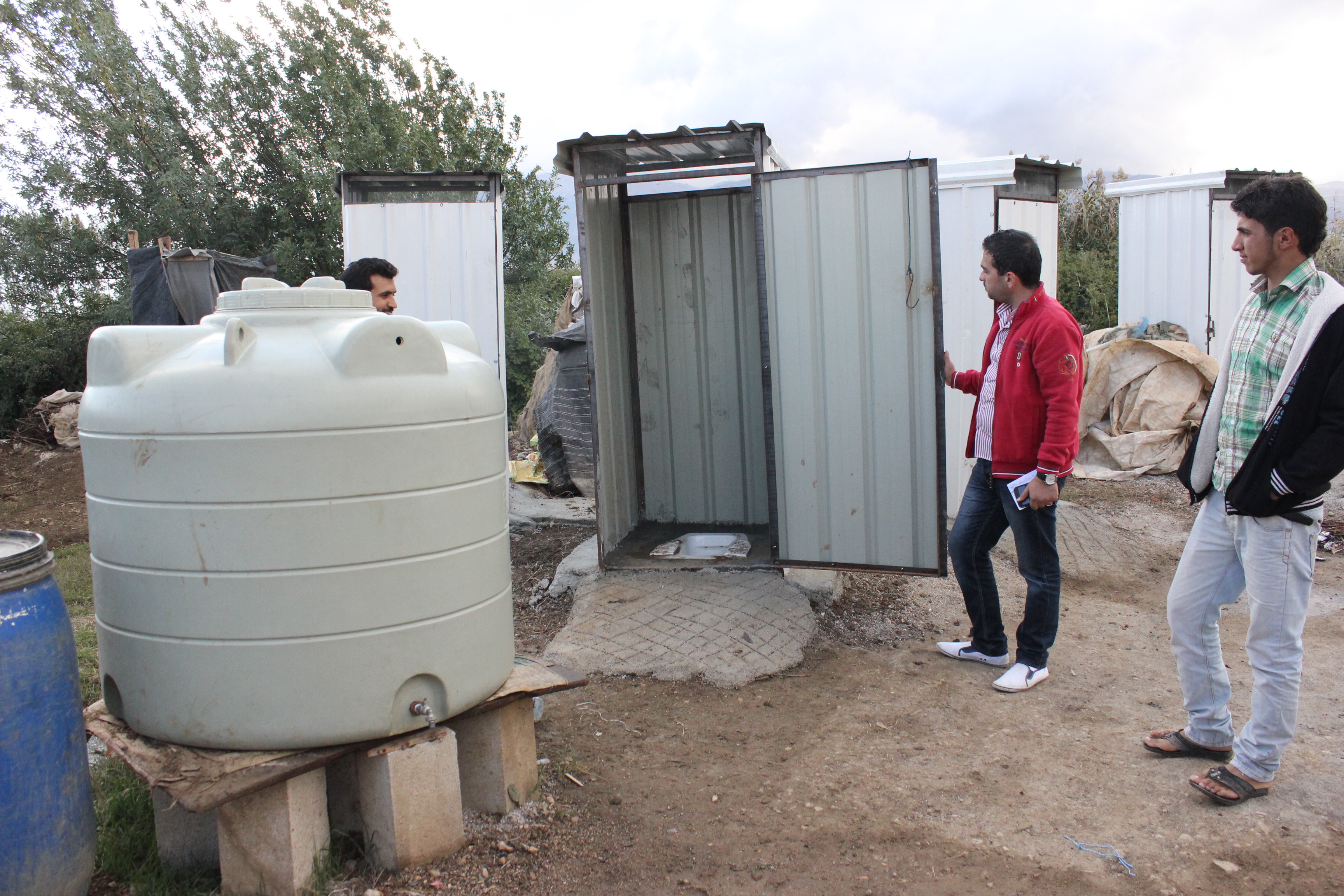
Scene of camp with Sanaa my colleague in MENA
Seeing the refugees, hearing their stories and discussing the possible scenarios for the future of the region is heart rending stuff. Everyone, every country in the region, is affected and there seems to be no doubt at the drastic geo political changes that are afoot. Revolutions are a process, not an end in themselves and it will take years and unimaginable pain before we see things settling down here.
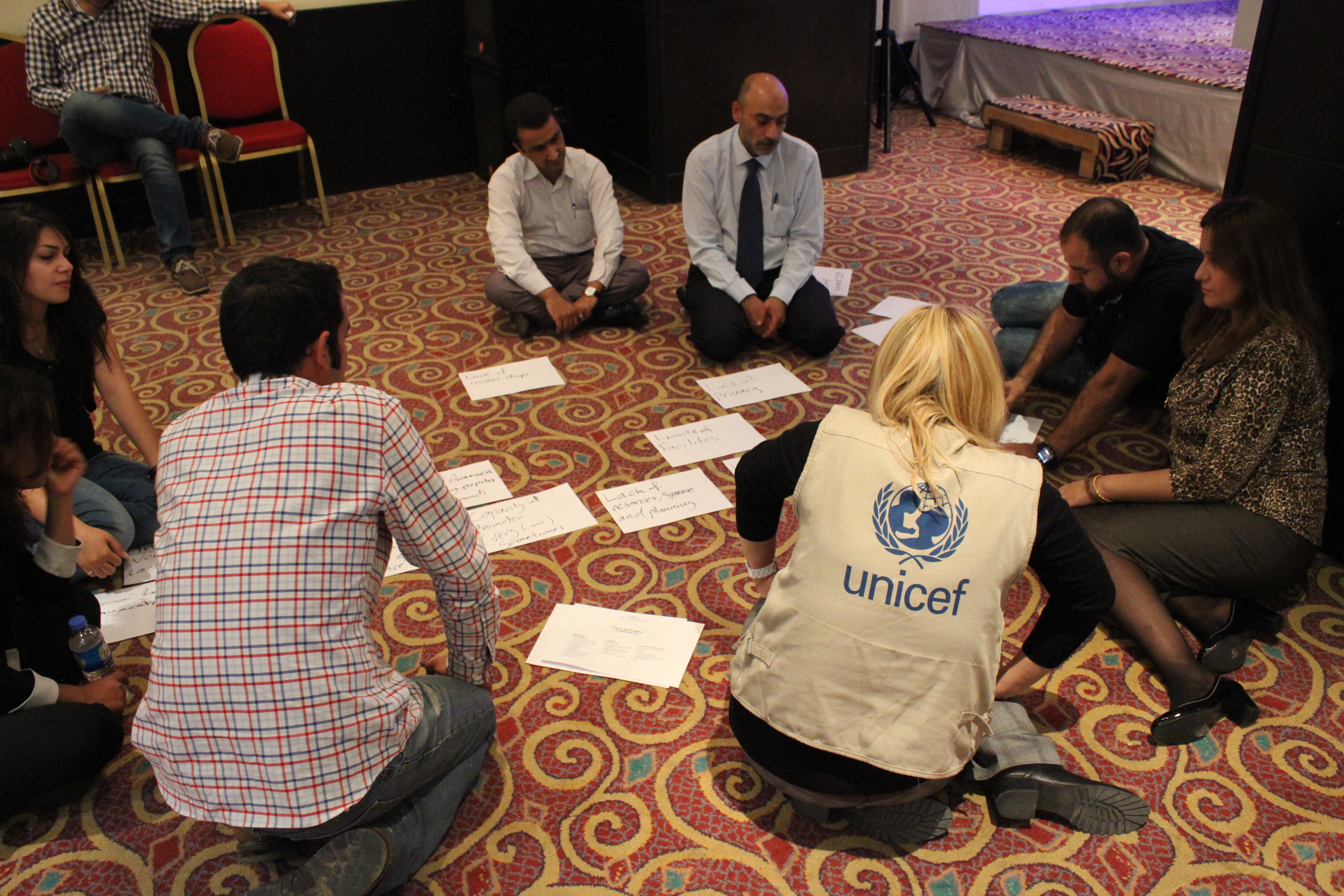
Implementing Partners analyzing problems they face working in camps.
Which makes it even more important that we focus upon empowering refugees as far and as early as possible, so that they have a far greater influence/ownership over decisions that affect them and that emergency response agencies, who traditionally tend to dictate/implement sectoral responses with little active liaison with beneficiaries, are supported to be able to engage in ways that empower and facilitate dialogue and informed decision making with beneficiaries.
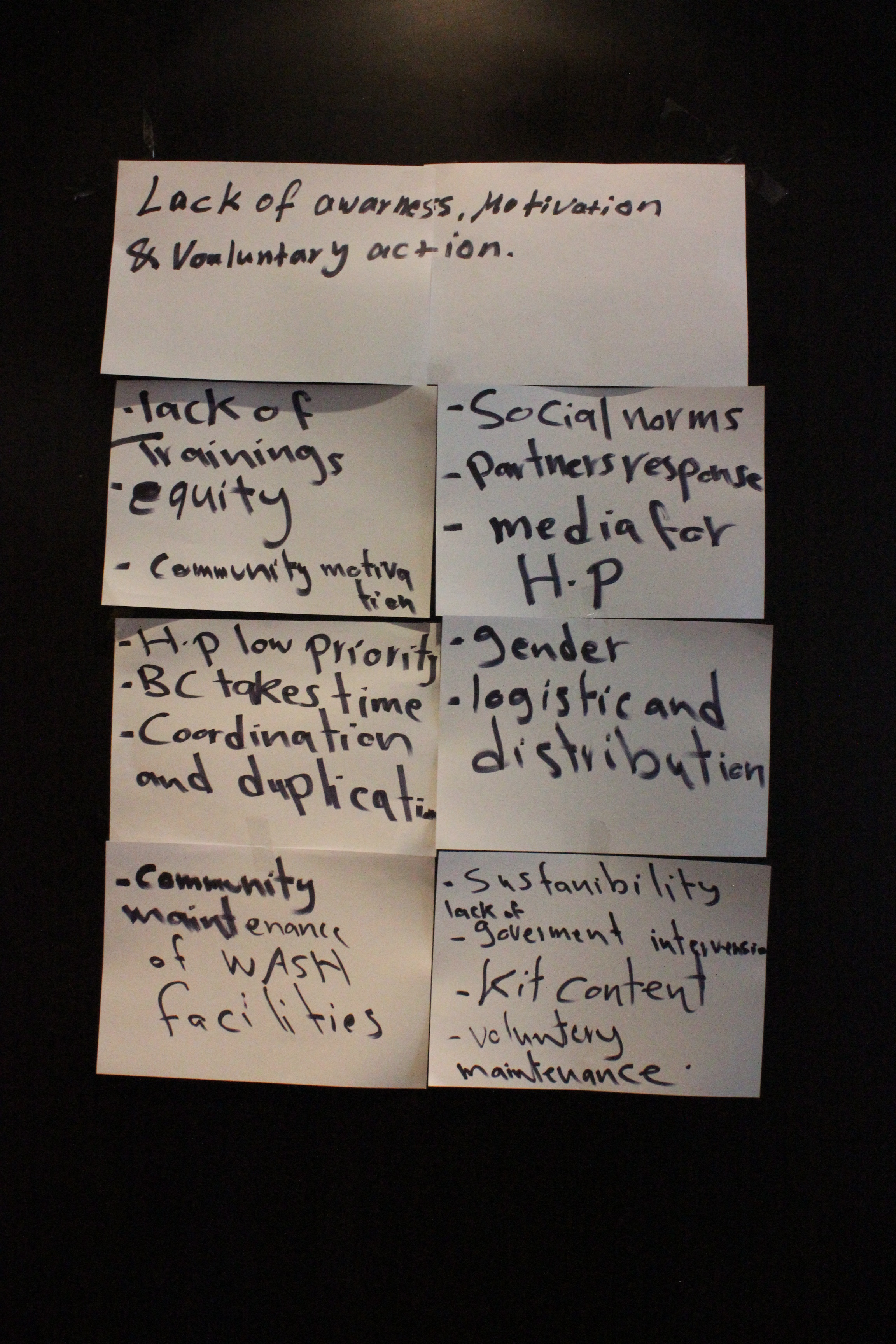
Some of the challenges they face.
Most of the issues raised linked to an absence of genuine understanding, dialogue and local involvement in decision making between the two parties and my job is to facilitate that…It should be pretty exciting, but would result in my being kept pretty busy till the New Year, when I’d finally get to make it back to Loubar.
At the time of writing, which is January 2015, the news is filled with images of refugee camps covered with snow. It’s easy to forget that in many parts of the Middle East, winters are terribly severe and right now people are dying from cold.